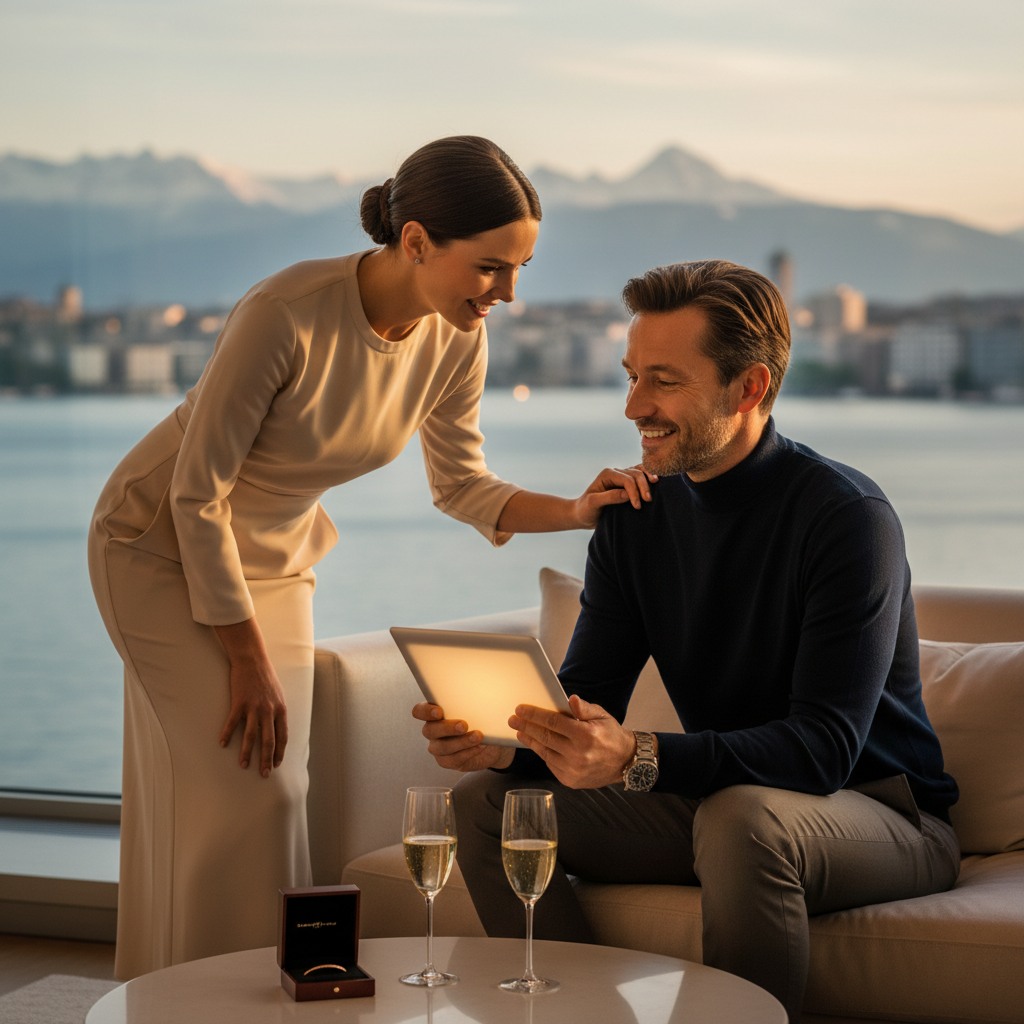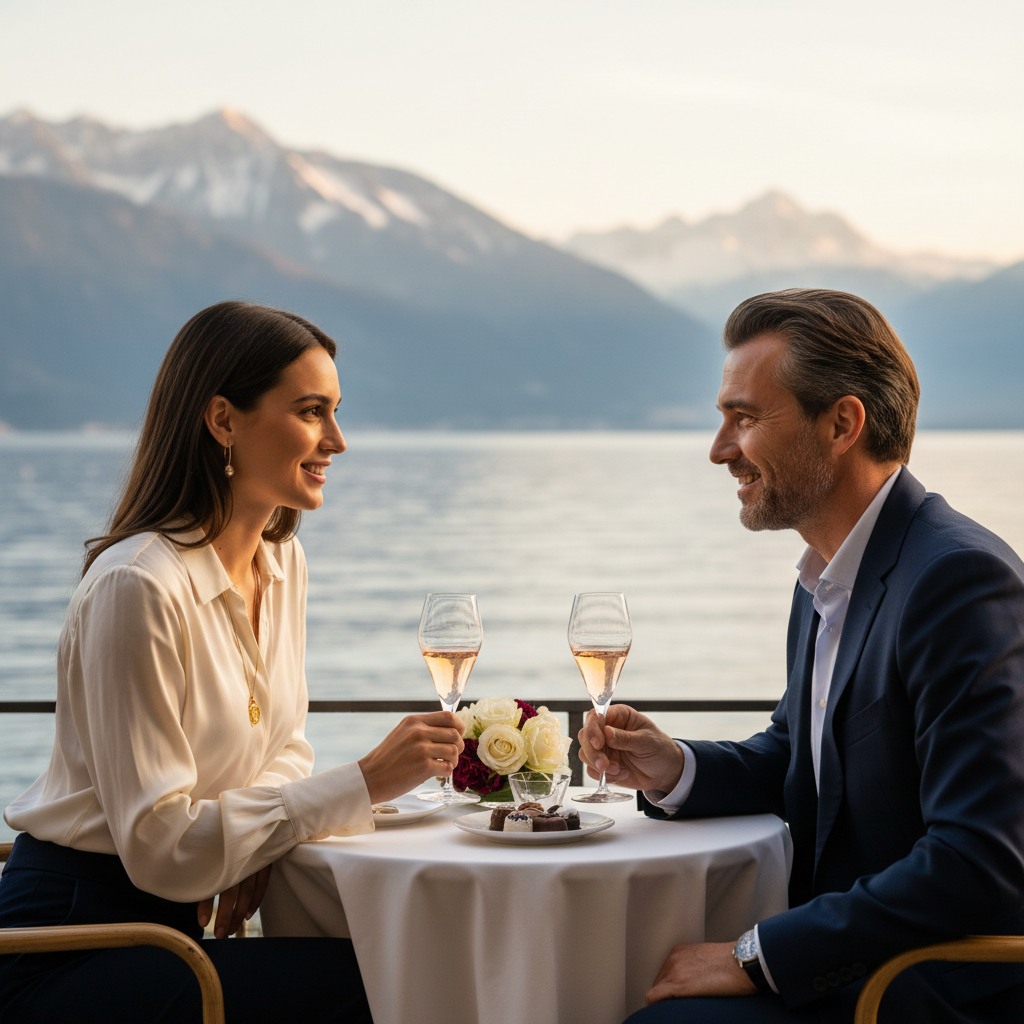

I've planned three surprise weekends in the past four years. Two of them worked. The third one didn't, and the reason it didn't had nothing to do with the hotel or the restaurant bookings. It failed because I'd planned something I wanted to do rather than something she'd actually enjoy. That's the first thing worth getting clear about: a surprise weekend isn't about demonstrating your taste or your access to nice things. It's about whether you've been paying attention.
Most men approach this by looking for the most impressive option they can afford. Five-star hotel, Michelin-starred restaurant, maybe a helicopter if they're feeling ambitious. That's not wrong exactly, but it misses the point. The question isn't what looks good on paper. It's what she'd choose if she were planning it herself and had your resources available.
Start with what you actually know
The difference between a weekend that lands well and one that feels like an expensive misfire usually comes down to whether you've noticed what she talks about when she's relaxed. Not what she says when you ask her directly what she wants to do — most people default to something polite when put on the spot. I mean the things that come up in passing. A restaurant she mentions having been to years ago. A region of Switzerland she hasn't visited yet but keeps meaning to. A specific kind of experience she describes enjoying in the past.
If you don't have that information yet, you're probably planning this too early. A surprise weekend works when it feels like you've understood something about her that she didn't have to spell out. If you're guessing, it shows. Better to wait until you actually know.
I planned one weekend around the fact that she'd mentioned, once, in the middle of a different conversation, that she'd never been to the Engadin valley despite having lived in Switzerland for six years. That detail sat in my head for two months before I did anything with it. When I eventually booked a weekend in St. Moritz, it wasn't because St. Moritz is objectively impressive — though it is. It was because I'd remembered that she'd wanted to go and hadn't gotten around to it. That's what made it feel like a surprise rather than just an expensive gesture.
Location matters more than luxury level
Switzerland gives you options, which is useful, but it also means you can't just default to "the most expensive place available" and assume that solves the problem. A weekend in Zurich feels completely different from a weekend in Lugano, and both of those are different from somewhere like Zermatt or Montreux. The location should match what kind of weekend you're actually trying to create.
If she's someone who finds cities energizing, then Zurich or Geneva makes sense. If she's mentioned wanting to disconnect, then somewhere quieter — the Valais, maybe, or one of the smaller lakeside towns — is a better choice. I've made the mistake of booking something remote and peaceful for someone who gets bored without urban stimulus. It was a nice hotel. She was polite about it. It still didn't work.
The luxury level is secondary. A well-chosen four-star hotel in the right location beats a five-star property in a place she doesn't particularly want to be. I'm not suggesting you economize — in a sugar relationship, the financial generosity is part of the structure. I'm saying the location decision should come first, and the specific hotel should follow from that.
Consider the season and what it enables
A winter weekend in the Alps is a different proposition from a summer one. If she skis, that's straightforward. If she doesn't, you're booking a mountain resort in ski season for someone who'll spend most of the time indoors or walking around a village designed for skiers. That can work — some of those places are beautiful in winter regardless — but you need to know what you're setting up.
Summer opens up hiking, lake access, outdoor dining. Spring and autumn are quieter, which is either an advantage or a drawback depending on whether she finds crowds irritating or energizing. I tend to avoid planning surprise weekends during peak tourist season unless there's a specific reason to be there at that time. Quieter periods mean better service, easier reservations, and less time spent navigating other people's holidays.
Build in flexibility without making it feel unplanned
The structure of the weekend matters. You want it to feel considered without being so tightly scheduled that there's no room to adjust. I usually plan one definite thing per day — a specific dinner reservation, a particular activity — and leave the rest loose. That way, if she's tired or wants to do something different, you're not locked into a rigid itinerary that starts to feel like work.
The mistake I see men make here is either over-planning or under-planning. Over-planning looks like: breakfast at 8, spa appointment at 10, lunch reservation at 1, guided tour at 3, cocktails at 6, dinner at 8:30. That's not a weekend, it's a military operation. She'll feel like she's being moved through a schedule rather than spending time with you.
Under-planning looks like: nice hotel, no real plan beyond that. Which can work if you're both the kind of people who enjoy figuring things out as you go, but most surprise weekends benefit from at least some structure. The surprise element creates a slight background anxiety about what's coming next. Having one or two things locked in gives her something to anticipate without feeling like she's surrendered all control over her time.
The dinner reservation is the anchor point
If you're only going to plan one thing properly, make it dinner on the first evening. A good restaurant reservation sets the tone for the whole weekend. It signals that you've thought about this, that you've put effort into finding something worth her time. It also gives the weekend a clear start point that isn't just "we've arrived at the hotel."
I don't mean it needs to be the most famous restaurant in the region. It needs to be somewhere that matches her taste. If she's someone who enjoys formal dining, then yes, book the Michelin-starred place. If she's more interested in good food in a relaxed setting, find the best bistro or trattoria in the area. The point is that you've chosen it specifically, not just picked the first thing that came up in a search.
For the rest of the meals, I usually leave them open. Breakfast at the hotel, lunch wherever you end up, maybe one other dinner reservation if the weekend is long enough. That gives you room to adjust based on how the weekend is actually going rather than sticking to a plan that stops making sense halfway through.
Think about what happens between the planned moments
The quality of a weekend often comes down to what happens in the gaps between activities. A long lunch that turns into an afternoon of conversation because neither of you wanted to leave. An unplanned walk because the weather was better than expected. Time in the hotel room that doesn't feel like you're killing time before the next scheduled thing.
That requires booking a hotel where the room itself is worth spending time in. Not just visually impressive — though that helps — but actually comfortable. Good lighting, a decent bathroom, somewhere to sit that isn't the bed. I've stayed in hotels that looked spectacular in photos but were unpleasant to actually be in for more than an hour. The furniture was designed for aesthetics rather than use. The lighting was atmospheric but insufficient for reading. The bathroom was all marble and no storage.
If you're planning a surprise weekend, you're implicitly saying "I've found a place where we can spend extended time together and it'll be pleasant." That means the room needs to function as more than just somewhere to sleep. I usually look for places with either a balcony or a sitting area separate from the bed. It sounds minor, but it changes how the space feels when you're actually there.
The small details that make it feel considered
This is where you either look like you've been paying attention or you don't. If she drinks champagne, having a bottle waiting in the room when you arrive is a detail that registers. If she doesn't drink, that same gesture reads as you having defaulted to a generic luxury gesture without thinking about whether it applies to her.
I'm not talking about grand romantic gestures. I mean: does the hotel have the kind of tea she likes? If she mentioned wanting to visit a specific shop or gallery in the area, have you checked whether it's open that weekend? If she's mentioned a particular kind of food she's been wanting to try, have you found a place that does it well?
These things take fifteen minutes of research. They're the difference between a weekend that feels like you've put thought into it and one that feels like you've put money into it. Both matter in a sugar arrangement, but the thought is what makes it memorable.
The reveal matters more than you'd think
How you tell her about the weekend affects how she experiences it. I've tried a few different approaches. The "we're leaving in an hour, pack a bag" method works if she's someone who enjoys spontaneity and doesn't have firm weekend plans. It doesn't work if she's someone who likes to prepare, or if she has commitments you're now asking her to rearrange at the last minute.
I've found that giving her two or three days' notice hits the right balance. It's still a surprise — she doesn't know where you're going or what you've planned — but it's not so sudden that it feels inconsiderate. Tell her what kind of clothes to pack, what the weather will be like, whether she needs hiking boots or just comfortable shoes for walking. That removes the anxiety about whether she's prepared without removing the surprise element.
Some men like the drama of not revealing the destination until you're in the car or at the train station. I think that's mostly for your benefit rather than hers. She's going to enjoy the weekend more if she has a rough sense of what kind of experience she's in for. You don't need to tell her the specific hotel or the restaurant names, but "we're going to the mountains for the weekend" or "I've booked a place by the lake" gives her enough context to set her expectations appropriately.
What to do when it doesn't go to plan
Something will not go to plan. The restaurant will have lost your reservation, or the weather will be worse than forecast, or she'll be more tired than expected and won't want to do the activity you'd arranged. How you handle that tells her more about whether you're someone worth spending time with than whether you picked the right hotel.
I've had a weekend where the main restaurant I'd booked turned out to be closed for a private event despite my having a confirmed reservation. We ended up at a pizza place down the street. It was fine. Better than fine, actually, because I didn't spend the evening visibly annoyed that my plan had fallen apart. She noticed that. The ability to adjust when things go wrong without making it her problem is more valuable than having everything go smoothly in the first place.
The worst thing you can do is try to force the original plan when it's clearly not working. If she's tired and doesn't want to go to the wine tasting you'd arranged, don't spend twenty minutes trying to convince her it'll be worth it. Cancel it, find something else, or do nothing. A surprise weekend that turns into a series of obligations you're both trying to get through is worse than no surprise weekend at all.
After the weekend: don't overanalyze it
You'll know whether it worked. If she's relaxed, if she's mentioned specific moments she enjoyed, if she's suggested doing something similar again, it worked. If she was polite but not particularly enthusiastic, it didn't. Most men's instinct when something doesn't land as well as they'd hoped is to ask what went wrong. I'd suggest not doing that unless she brings it up.
The point of a surprise weekend isn't to demonstrate that you can execute a perfect plan. It's to create a few days where you're both away from your usual routines and can focus on each other without the usual distractions. If that happened, the weekend succeeded regardless of whether every detail went as you'd intended. If it didn't happen, asking her to explain why puts her in the position of having to critique something you put effort into, which isn't a conversation most people enjoy having.
Better to pay attention to what worked and what didn't, and adjust next time. If she seemed more interested in unstructured time than planned activities, do more of that. If she kept mentioning that she wished you'd gone to a particular place or tried a specific thing, remember that for next time. The advantage of being in an ongoing arrangement is that you get multiple attempts at this. The first surprise weekend is reconnaissance as much as anything else.